 MON – SAT: 10:30 AM – 1:30 PM | 5:30 PM – 9:30 PM
 096636 81506



Hip Replacement Surgery in Raichur
Advanced & Safe Hip Joint Replacement by Dr. Vishal Patil
Hip pain can slowly take away your independence—making walking, sitting, sleeping, and daily activities difficult. When medicines, injections, and physiotherapy no longer give relief, hip replacement surgery becomes the most effective long-term solution.
At Dr. Vishal Patil Orthopedic Clinic, Raichur, we provide advanced hip replacement surgery to reduce pain, restore movement, and help patients return to an active, pain-free life.
What is Hip Replacement Surgery?
Hip replacement surgery is a procedure where a damaged hip joint is replaced with an artificial joint (implant). The artificial joint is designed to move smoothly, reduce pain, and improve mobility.
This surgery is commonly performed for patients with severe hip joint damage that affects daily life.
When is Hip Replacement Needed?
Hip replacement is recommended when hip pain becomes severe and long-lasting.
Common reasons include:
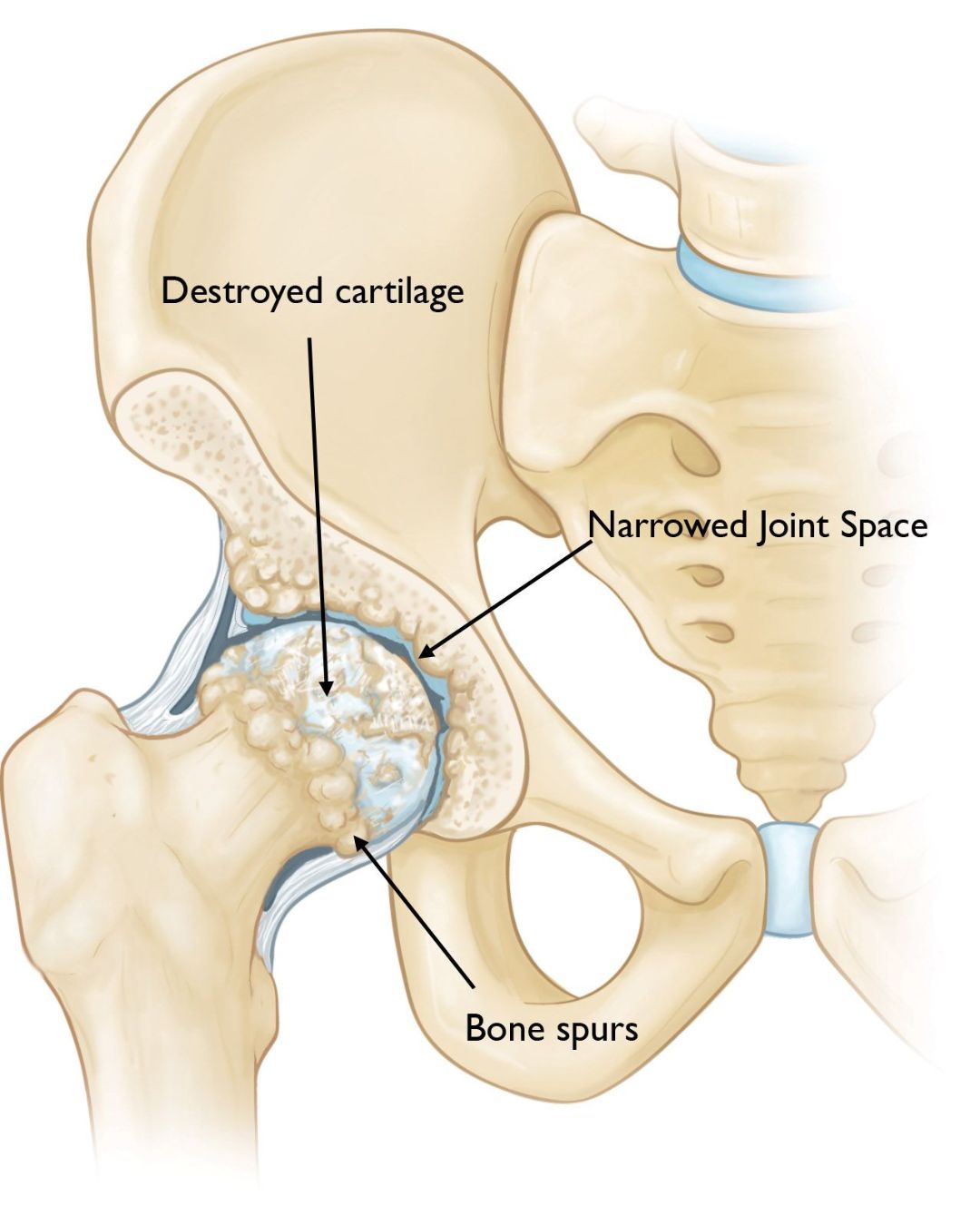
Osteoarthritis of the hip
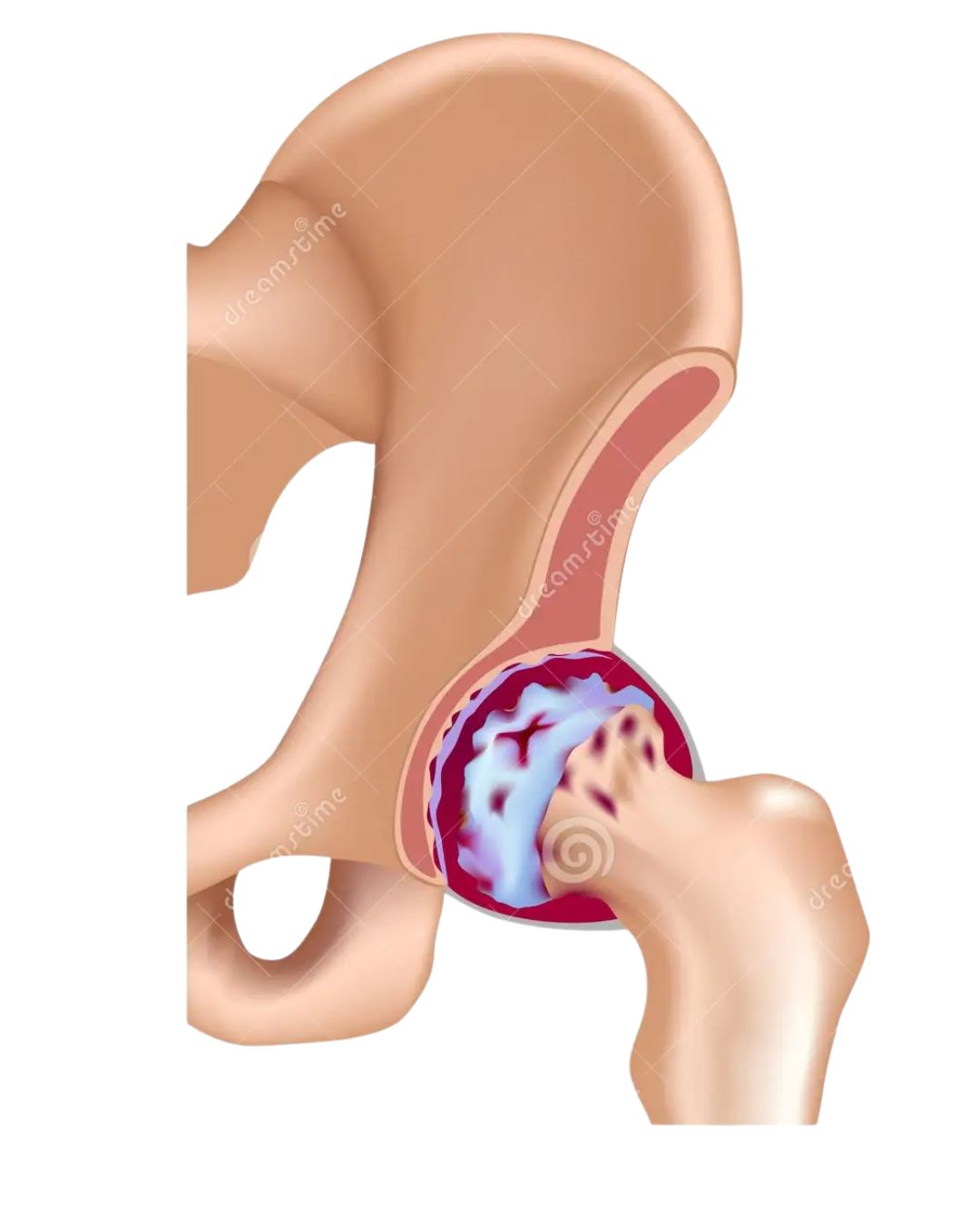
Rheumatoid arthritis
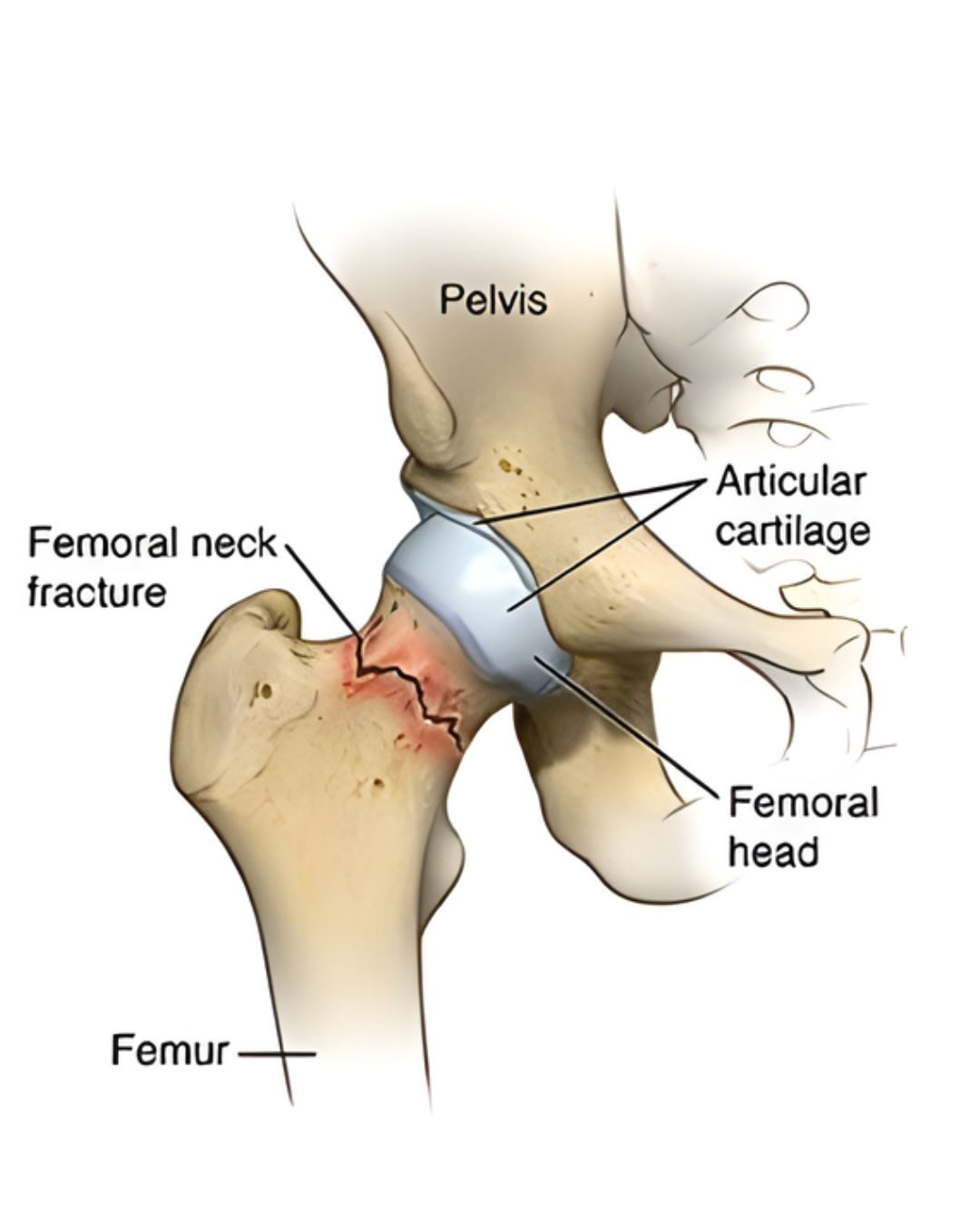
Hip fracture (especially in elderly patients)
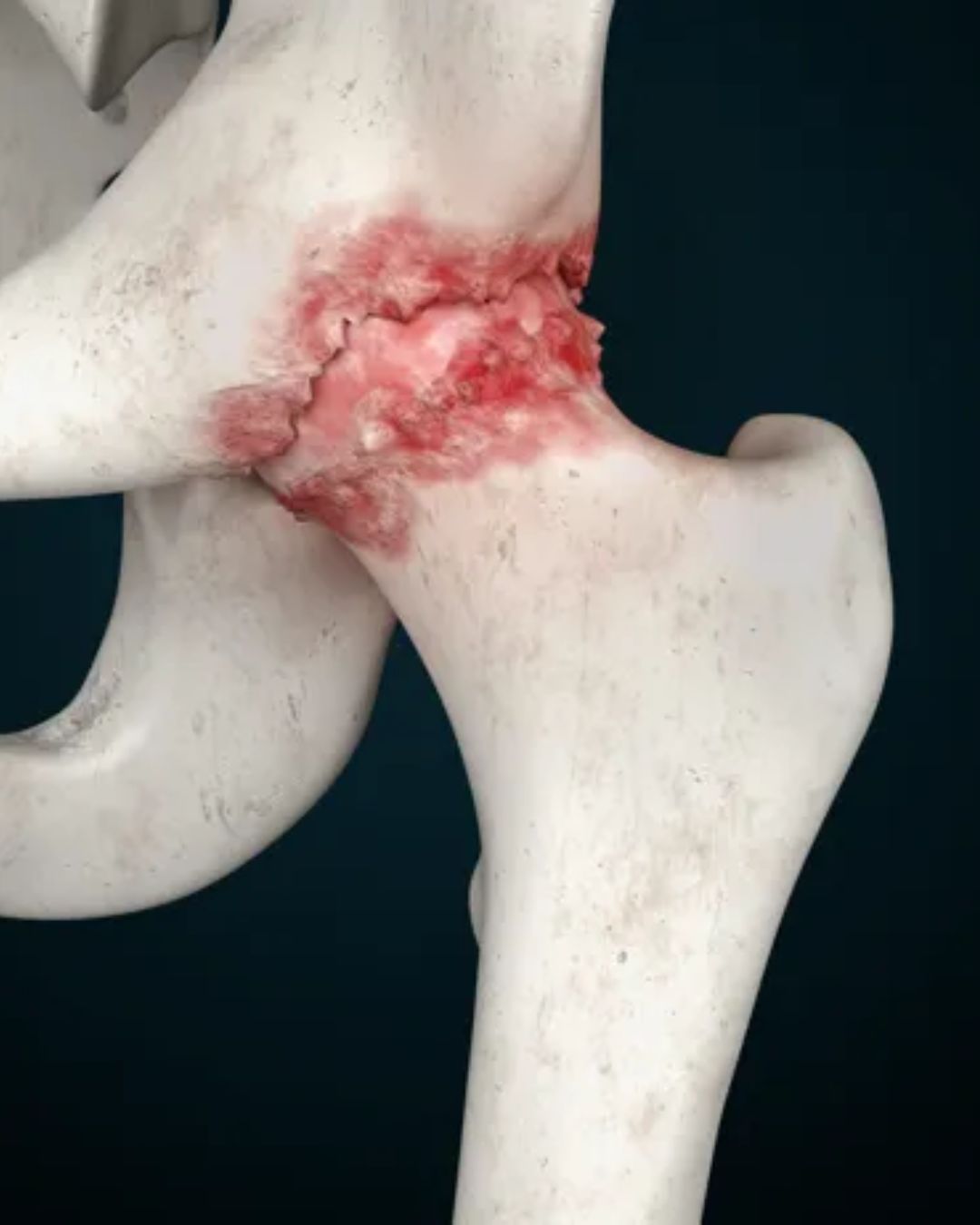
Severe hip stiffness and deformity
Symptoms That Indicate Hip Replacement
Constant hip or groin pain
Pain while walking or standing
Difficulty climbing stairs
Pain during rest or sleep
Reduced hip movement and stiffness
Difficulty sitting cross-legged
Benefits of Hip Replacement Surgery
✔ Long-term relief from hip pain
✔ Improved walking and balance
✔ Better joint movement and flexibility
✔ Improved sleep and quality of life
✔ Increased independence in daily activities
Recovery After Hip Replacement Surgery
Recovery is gradual and improves with proper care:
Standing and walking with support in early days
Physiotherapy to improve strength and balance
Gradual return to daily activities
Most patients resume normal routine in 4–8 weeks
Frequently Asked Questions
Yes. It is a commonly performed and safe procedure when done by an experienced orthopedic surgeon.
Modern implants can last 15–20 years or longer, depending on activity and care.
How long does pain last after surgery?
Most patients start walking with support within 1–2 days.
Delaying surgery may lead to worsening pain, stiffness, muscle weakness, and reduced quality of life.